


Shaping Workspaces That Empower Every Mind: Neurodiverse Design
Human diversity extends far beyond culture, skills, or personality; it lies at the very core of how people perceive, process, and respond to the world around them. The term neurodiversity acknowledges natural variations in the human brain and refers to the diverse creative and perceptual variations of certain individuals. A workspace needs to adapt to every varied type of work and the different neurological inclinations of users.
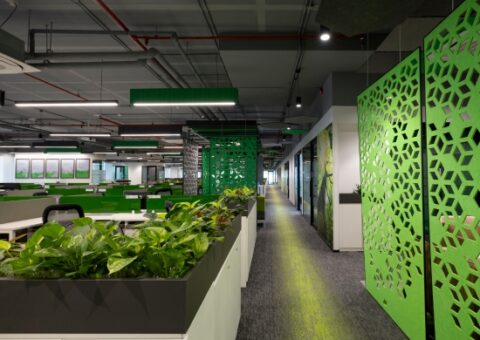
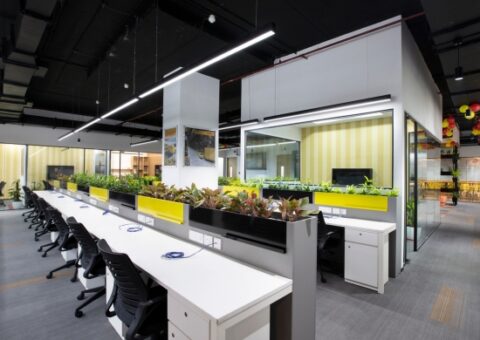
For example, an individual with a statistically driven and calculative brain will adapt well in a conventional workspace with desks, tables, and chairs. On the other hand, a person whose mind is constantly overflowing with creative ideas craves freedom and will need a workspace that is open, flexible, and seamlessly integrated with nature, curated to fuel inspiration and clarity. Every workspace needs to analyze, understand, and adapt to every worker’s unique perception of the environment around them.
Within any modern organization, a significant percentage of the workforce experiences the workspace differently; some thrive in high-energy, collaborative environments, while others find the same spaces overwhelming or distracting. In today’s world, where the dynamism and demands of work evolve rapidly, designing workplaces that embrace neurodiversity has become a business necessity.
A Workspace that Welcomes All
An ideal workspace needs to account for the diverse neurological needs of its employees. While neurotypical individuals adapt to conventional settings, neurodiverse and hypersensitive individuals often require tailored sensory, spatial, and functional spaces to feel comfortable and perform at their best.
A workplace that considers the diversity of needs and balances stimulation with calm, collaboration with privacy, and conventional layouts with flexibility, unlocks optimal performance for every person. Designing with neurodiversity in mind leads to work environments that harness the strengths of each individual.
Designing a space that caters to a variety of neurological perceptions requires empathy, foresight, and a multi-sensory understanding of the environment. The aim becomes to embed flexibility and choice in the workplace fabric so that every individual can find a setting that works for them.
Some essential design parameters that can help this cause include:
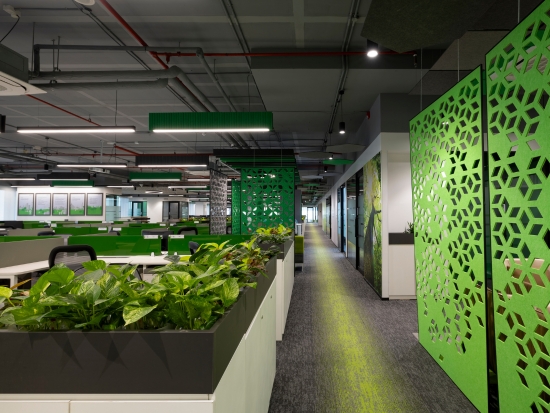
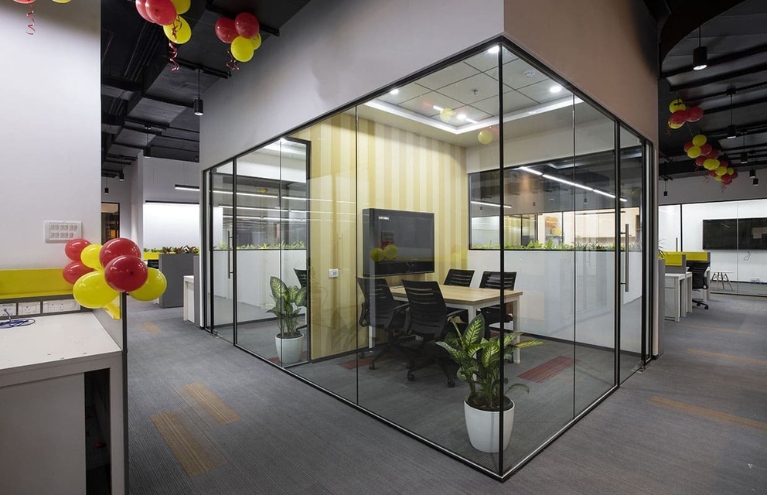
- Low-stimulation Environments, Quiet Rooms, and Privacy Corners – Quiet areas with minimal visual clutter, enclosed soundproof rooms, and neutral colour palettes help reduce sensory overload, acting as peaceful zones for each person to unwind and recharge.
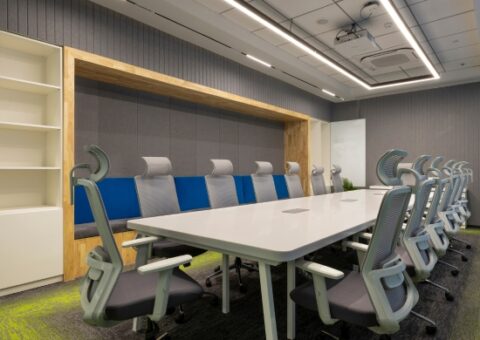
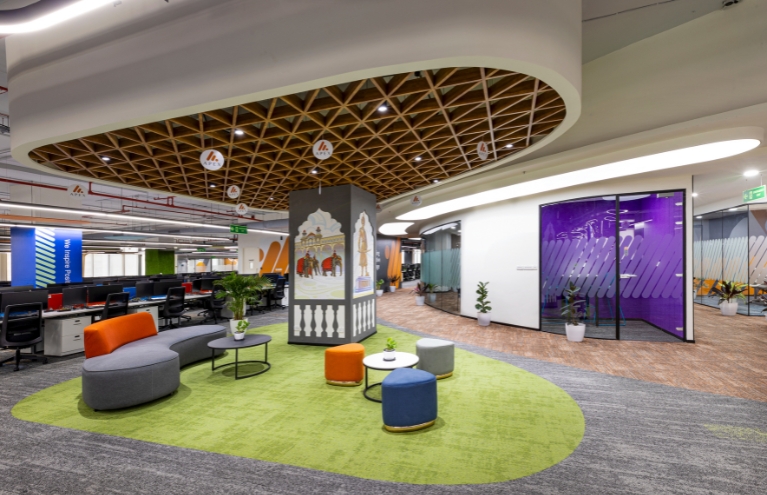
2.Collaborative Hubs and Community Spaces – Designated areas for group work and brainstorming discussions ensure that team members seeking interaction have vibrant spaces to do so, which are separate from quiet zones. Clearly designed and marked cafe lounges and breakout spaces provide defined settings for social connection and networking, particularly for neurodiverse individuals who may face challenges with unstructured conversations.
3. Lighting Design and Environmental Controls – Layered lighting that seamlessly blends natural light, dimmable LEDs, and task-based fixtures gives users a chance to control the brightness and adapt to the space as per their own personal preferences. Exposure to abundant natural light proves to be highly beneficial. Offering control over the temperature and ventilation of a space gives people a chance to customize their work environment, reducing discomfort and distraction.
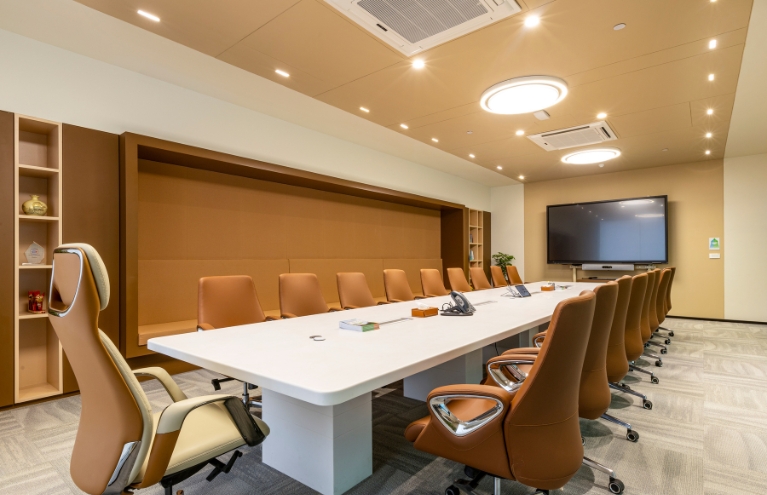
4. Materiality, Acoustics, Ergonomic Furniture, and Wayfinding – Soft finishes, acoustic panels, and locally-sourced biophilic materials add calming textures to the space that evoke peace and positivity in the minds of the users. Sensory-friendly furniture and varied adjustable seating types can be incorporated to provide physical comfort to each individual. Simple signage, clear zoning, and intuitive spatial organisation reduce anxiety, especially for individuals with cognitive differences who may struggle with ambiguity.
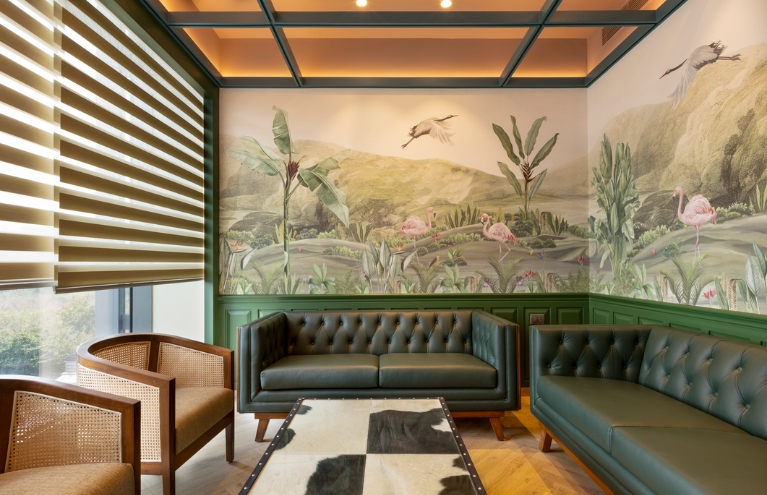
By weaving these strategies into the design process, highly adaptable, flexible, innovative, and empathetic workspaces can be created that welcome each individual with open arms.
Neurodiverse design is about acknowledging the fact that brains work differently, and workplaces should reflect and adapt to these variations. By embedding sensory variety, spatial choice, and inclusivity into workplace design, organisations create environments where each individual feels supported.
When people are empowered to work in conditions that align with their cognitive and sensory needs, the positive results include heightened productivity, stronger engagement, and reduced attrition. More importantly, neurodiverse workplaces activate the hidden potential of individuals whose unique ways of thinking often drive the most original ideas, problem-solving abilities, and innovations.
Designing workspaces that respond positively to varied neurological perceptions is a commitment to building human-centric ecosystems where every individual has the opportunity to thrive and create an impact.